
爱上小男人
China-Tanzania healthcare cooperation brings AI-powered diagnosis to patients_我的网站

一 |
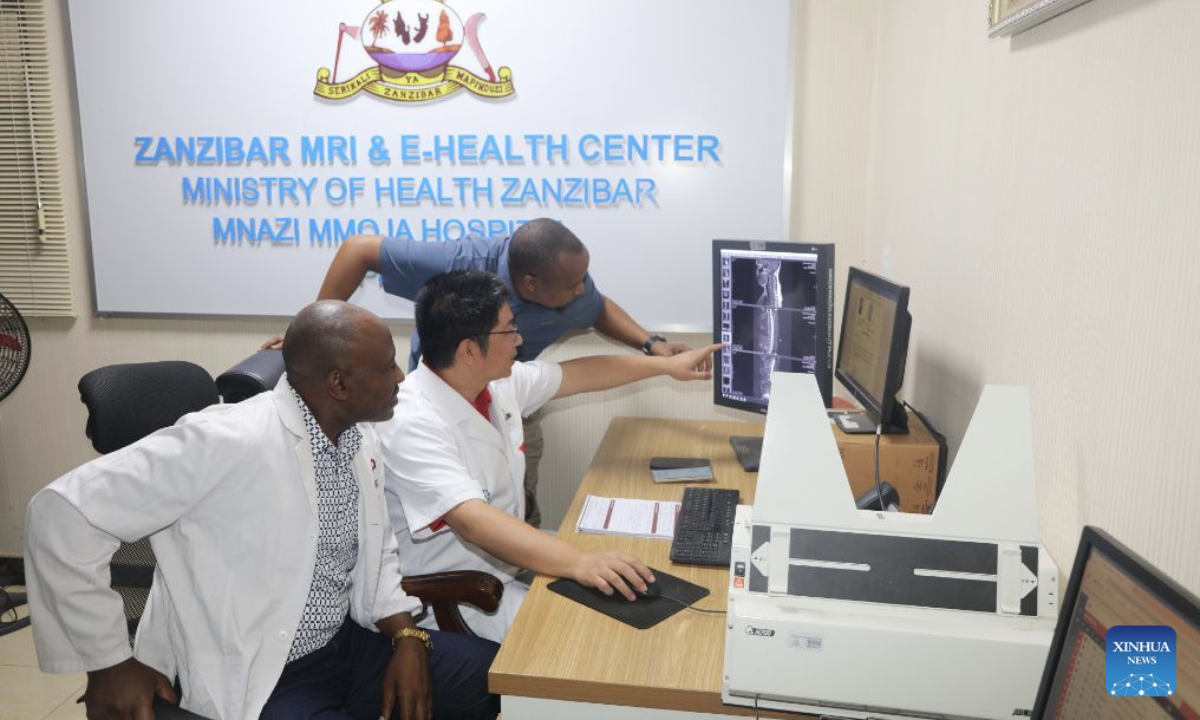
On the island, artificial intelligence (AI) systems are helping doctors interpret medical images, while remote consultations connect local physicians with specialists thousands of kilometers away.
Bridging this distance is Yuan Gang, a radiologist with the 35th Chinese medical team in Zanzibar, who combines local imaging, cloud-based AI analysis, and real-time specialist consultations.
For years, Zanzibar's healthcare system has faced challenges in diagnosing complex diseases, particularly because of limited imaging expertise, heavy workloads, and the lack of advanced diagnostic tools, said local physician Haitham Hamudu.
Imaging interpretation, often described as the "eyes" of modern medicine, has been especially constrained by limited expertise, heavy workloads, and a lack of advanced tools, Haitham said.
By linking the hospital's imaging system with the First People's Hospital of Lianyungang in east China's Jiangsu Province, he has introduced a three-layer diagnostic approach, which includes initial reading by local doctors, AI-assisted detection and classification, and quality control through Chinese specialist review.
This hybrid model is enabling doctors in Zanzibar to access the precision and standards of top-tier Chinese hospitals without requiring patients to leave the island.
"Technology is allowing us to overcome distance and resource gaps," Yuan said. "It is not just about solving one case, but about building a system that improves care for many patients."
One of the most striking cases involved a young Zanzibari child suffering from recurrent vomiting and lethargy.
After reviewing the child's Magnetic Resonance Imaging scans, Yuan diagnosed hydrocephalus but found the underlying cause unclear. He immediately initiated a remote consultation with neuroradiology experts in the Chinese city of Lianyungang.
By jointly reviewing the imaging data and clinical records, the team identified the hidden cause, provided a precise diagnosis and treatment recommendations, giving local doctors a clear path forward and the child a renewed chance at recovery.
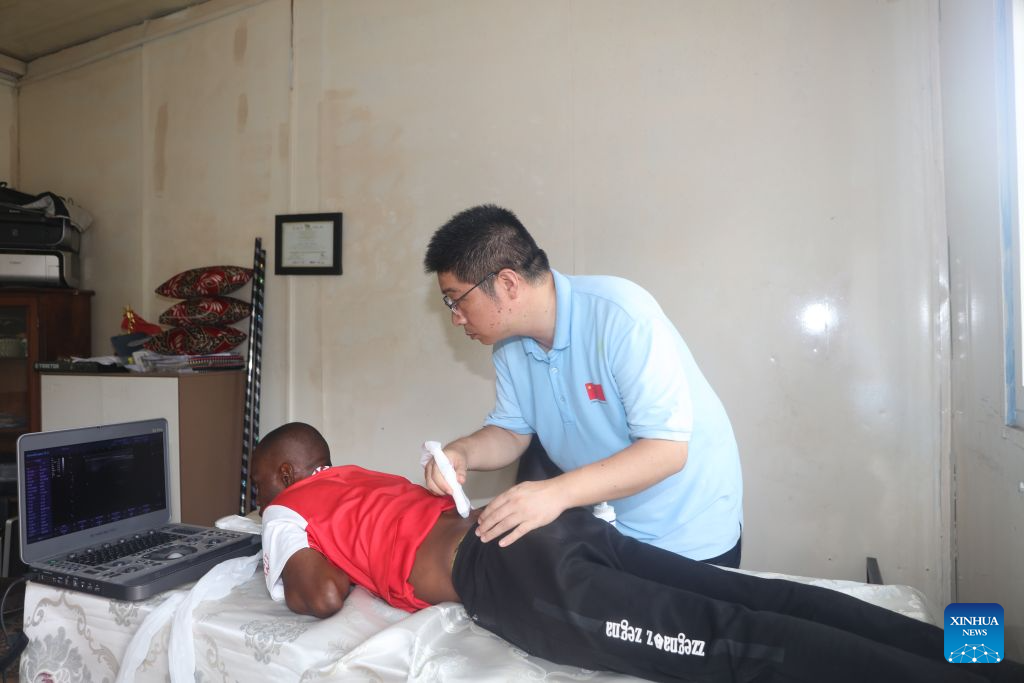
Beyond individual cases, Yuan has introduced AI-powered imaging tools to improve diagnostic accuracy in Zanzibar.
He said many women have dense breast tissue, making breast cancer harder to detect with conventional mammography. AI-assisted mammography now analyzes images, classifies lesions using the internationally recognized Breast Imaging Reporting and Data System, and helps doctors assess malignancy risk.
In one case, a 42-year-old woman with mild breast pain showed no obvious abnormalities on routine examination. AI, however, detected two hidden nodules and accurately classified their risk, helping doctors avoid unnecessary procedures while ensuring timely follow-up.
Similarly, AI-assisted lung imaging is improving the early detection of pulmonary nodules that are often missed in manual readings.
In one case, a 56-year-old man with a chronic cough was initially diagnosed with inflammation. Yuan's review, supported by AI analysis, identified four small nodules, including one with high-risk features, prompting closer monitoring and potentially preventing the progression of an early tumor.
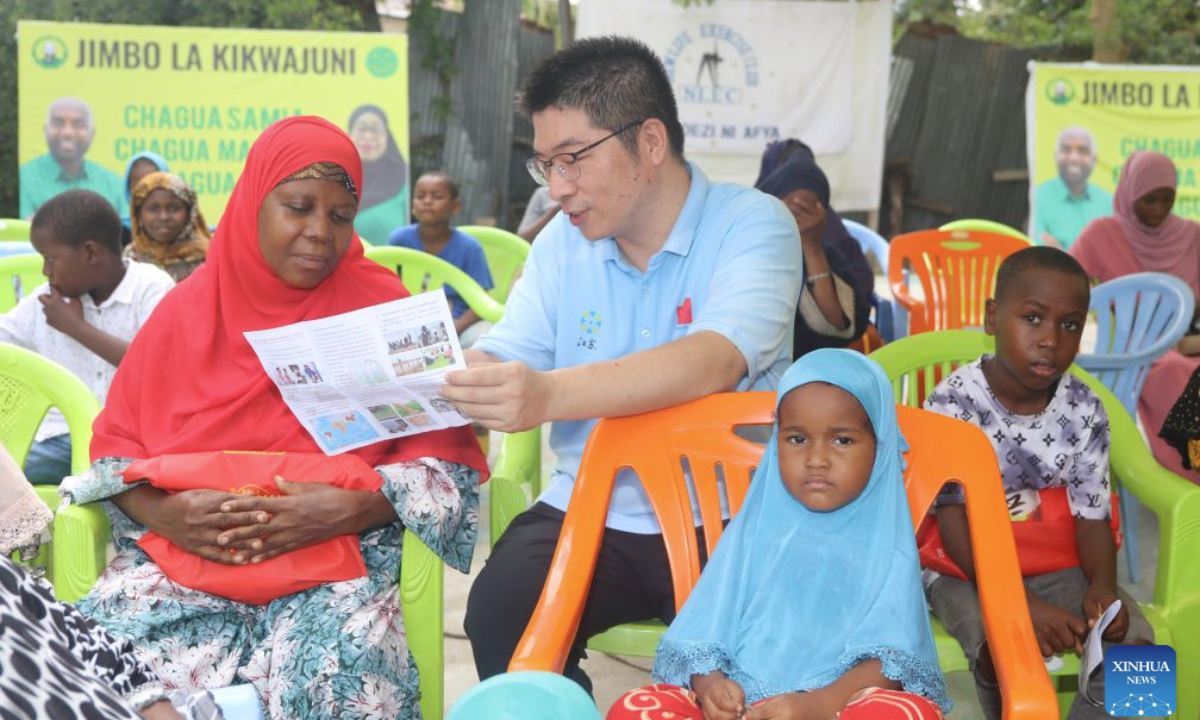
Beyond diagnosis, Yuan is helping local doctors adopt AI tools, standardized reporting systems, and structured diagnostic methods through hands-on training and case-based teaching, improving diagnostic accuracy while strengthening local capacity.
The AI imaging initiative is part of a broader digital healthcare partnership between China and Tanzania's Zanzibar, Yuan said.
The hospital and its partner institution in Lianyungang have established regular remote multidisciplinary team consultations, bringing together specialists in neurosurgery, oncology, and other disciplines to jointly review complex cases and develop treatment plans.
"I have never seen this kind of consultation before," said local physician Haitham. "So many experts working together, providing practical solutions. It is very inspiring."
Bao Zengtao, leader of the Chinese medical team, said remote consultations not only improve patient care but also enhance the professional capacity of local healthcare workers.
Yuan added that the ultimate goal is to build a sustainable model that can be expanded across Africa, ensuring more patients have access to accurate diagnosis and timely treatment.
。

二 | 袅袅草药香 悠悠润童心 猎德幼儿园大班亲子走进 省博开展中草药探秘之旅 广州市天河区珠江新城猎德幼儿园与广东省博物馆相距仅1.4公里,省博作为猎德幼儿园丰富的社区文化教育资源,对幼儿博物意识萌发及各项能力培养发挥着重要作用。

三 | 凭着独特的地理优势,猎德幼儿园开办以来积极集结学前教育及博物馆教育的优势与力量,赋能猎德幼儿园民俗文化课程开展。 为引导幼儿通过实地参观与互动体验近距离感受中草药文化的魅力,激发他们对中华传统草药文化的兴趣与热爱,广州市天河区珠江新城猎德幼儿园结合地域传统文化积极开展“春暖花开话清明”主题系列活动,于2025年2月28日组织大班级亲子走进广东省博物馆“广东省自然资源展厅”参观,进一步联动社区资源推进馆园共育。 中草药是中医药文化不可或缺的组成部分,与我们的生活息息相关。从神农尝百草开始,人们对中草药的探索已经经历了几千年的历史。

四 | 孩子们与草药的邂逅会碰撞出怎样的火花呢? 01 准备充分 翘首以盼 活动前期,教师们积极筹备,开展年级教研,挖掘中草药资源,梳理其涵盖的关键经验,并探究将其转化为契合幼儿发展水平的课程内容的有效路径,继而与幼儿共同展开充分交流。

五 | 孩子们通过发现身边常见的中草药、围绕地道药材展开讨论与分享,记录疑问并收集相关信息,共同制定参观计划。 / 02 草药奇缘 童心探秘 活动当天,孩子们在爸爸妈妈陪同下,带着好奇与兴奋大步迈进省博自然资源展厅的岭南本草展厅。淡淡的草药香气扑面而来,百余件腊叶标本、包埋标本、塑化标本等不同类型的标本陈列其中,展示广东的岭南道地药材和民间药材。亲子们在参观中了解金银花、菊花、枸杞、鸡骨草等常见药用植物及巴戟、沉香、穿心莲和化州橘红等独具特色的“南药”,并通过广东医事、百草堂等场景深入了解广东独特的中医药文化。 讲解员以通俗易懂的语言向孩子们介绍了中草药的名称、功效以及背后的文化故事。孩子们听得津津有味,还参与了互动体验环节,他们用手触摸草药模型,用鼻子闻一闻草药气味,在老师指导下尝试用放大镜观察草药细节,兴奋交流着自己的发现,现场氛围热烈。 / 03 结语 此次亲子参观活动是幼儿园优秀传统文化浸润教育的一次生动实践,孩子们深刻感受到了中华传统草药文化的博大精深。通过亲身接触与体验,孩子们对自然与科学产生了浓厚的兴趣,在心中种下了文化传承的种子。猎德幼儿园将持续拓展地域民俗文化融入教育实践的活动形式,深化课程内涵,让孩子们在探索中学习,在体验中成长,为其全面发展奠定坚实基础。 ✦ • ✦ ✦ 左右滑动,查看更多 ✦ 图片提供:大班级教师 图文编辑:陈肖冰、高懿涵 校对审核:杨蕾、符静思 广州市天河区珠江新城猎德幼儿园 2025年3月1日。
Current article:http://6uu.cousizhegaobaolengkuo.bond/news/20260826_873192.html
Published on:12:35:47
 全网最浪漫的录取通知书,被挂二手平台上卖掉
 证监会同意猎奇智能IPO注册
 哈啰顺风车为经我同意直接撤消我和乘客商量好的费用
 萨纳西斯:76人4星都需要有球在手 才能在比赛中打出高效表现
 宝马高管:宝马正改进三缸到八缸发动机 燃油发动机研发仍会继续
 Canalys: 2022年第三季度全球智能手机出货量下降了9%